

Key takeaways
- Since Jan. 1, 2026, the U.S. applies a 1% excise tax to some international remittances.
- It mainly affects transfers paid by cash, money order, or cashier’s check.
- Families in Nepal are not directly taxed, but they may receive less if senders do not top up.
- Many bank-funded or card-funded transfers are generally treated as exempt under the law’s structure.
- Nepali senders should check payment method rules, compare total costs, and plan for fixed family needs.
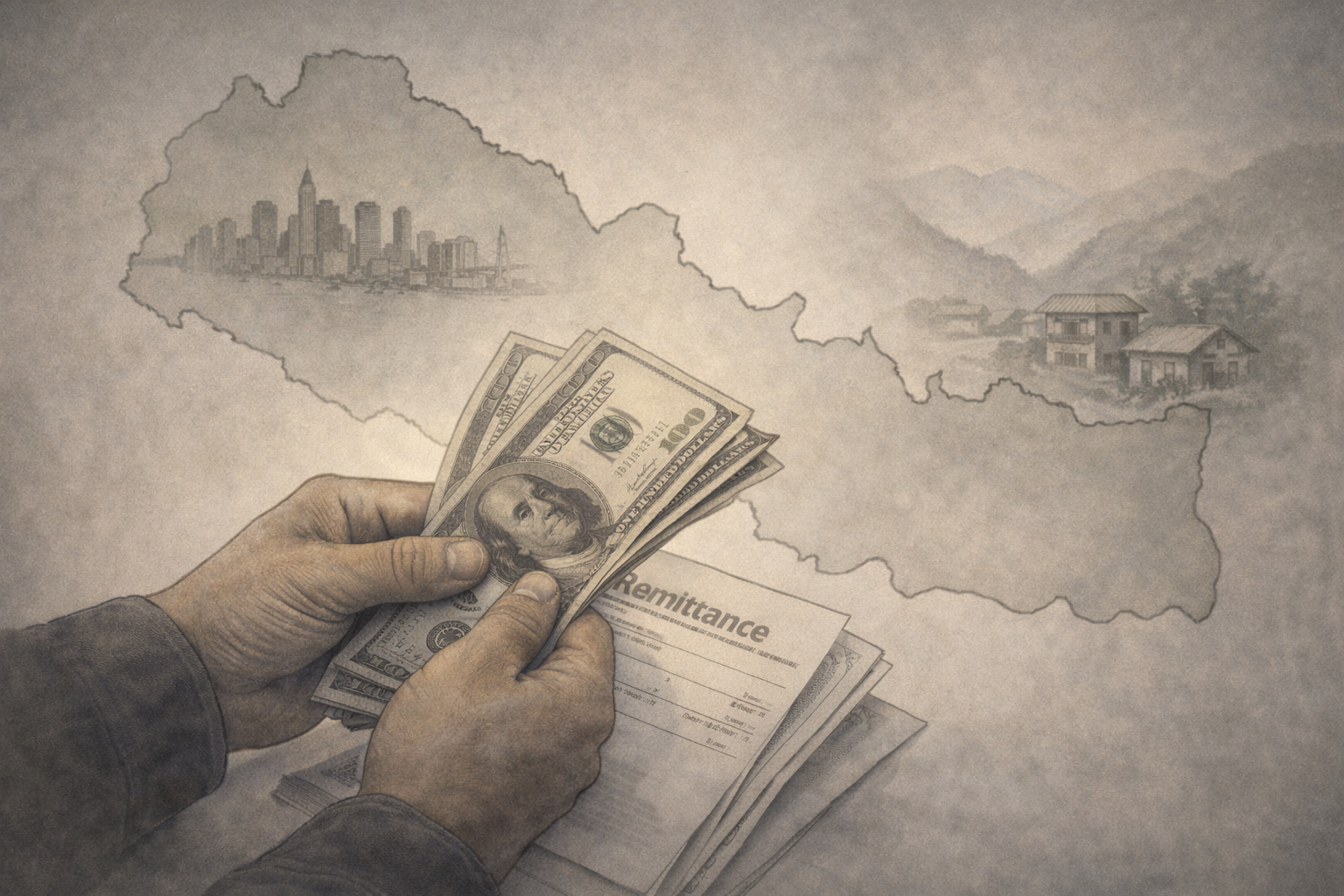
For many Nepali households, a monthly money transfer from the United States is not “extra.” It is rent, school fees, medicine, and groceries back home. Starting January 1, 2026, sending that support can cost a little more for some families, depending on how the money is sent.
A new 1% U.S. federal excise tax now applies to certain international remittances when the sender pays using cash, a money order, or a cashier’s check. The tax is collected by the money transfer company as part of the transaction, not by the family receiving the money in Nepal.
Who will feel it most
This change is most likely to affect Nepalis who:
- send money in person at transfer counters, and
- pay using cash (or similar cash-like methods).
For a family that depends on a steady amount each month, even a small extra charge can hurt. If someone normally sends $500, the new tax can add about $5. If they send $1,000, it can add about $10, before other fees and exchange-rate costs.
That may not sound big in the U.S., but in Nepal it can be a week of vegetables, a school bus fee, or part of a utility bill.
Families in Nepal are not being “taxed,” but they can still lose money
Nepal is not charging this tax, and the U.S. is not taxing the receiver. The pressure shows up another way:
- If the sender keeps their budget the same, the family may receive slightly less.
- If the sender wants the family to receive the same amount, they may need to pay more.
Either way, a small gap can become a real stress point when remittances are already stretched across food, rent, loans, and emergencies.
Many digital transfers may avoid the tax
The rule mainly targets cash-based sending. Many transfers funded through bank accounts or U.S.-issued debit/credit cards are generally treated differently under the law’s structure. In plain terms: if you have been sending money through an app connected to your bank, you may not notice a change. If you rely on cash at a counter, you probably will.
What Nepali senders should do now
- Ask the transfer agent what payment methods trigger the 1% tax. Do not guess.
- Compare the full cost, not only the tax. Some services look cheaper but take more through exchange rates.
- If your family needs a fixed amount, consider sending a little extra so they still receive what they count on.
- Keep receipts for each transfer, especially in the first few months as companies adjust.
Why this matters for the Nepali diaspora
For Nepalis living in the U.S., remittances are often tied to obligation, not convenience. People work double shifts, drive late-night deliveries, and take extra hours just to keep parents stable and children in school back home. When the cost of sending money rises, the first thing many people cut is not the transfer. It is their own savings, their own rest, and their own room to breathe.
This tax is only 1%, but in diaspora life, small costs stack up fast.
Leave a Reply