
Key takeaways
- Trump says the U.S. struck targets in Venezuela and captured President Nicolás Maduro.
- The U.S. has not shared full details on the legal basis, casualties, or where Maduro is being held.
- Venezuela has called it “military aggression” and announced emergency measures.
- Reuters reports PDVSA sources say core oil production and refining were not hit, but other sites were damaged and oil trade disruptions have been building.
- In Washington, the fight is shifting to Congress vs. the White House over war powers and oversight.
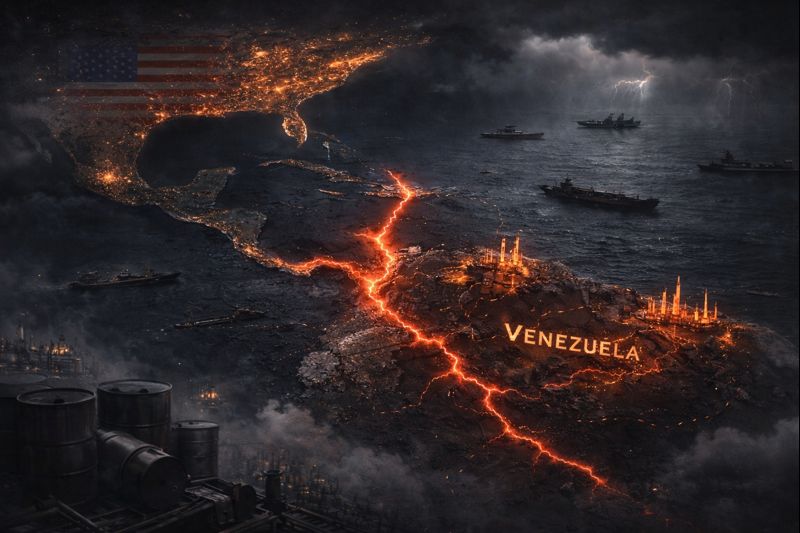
The United States has carried out strikes inside Venezuela and taken President Nicolás Maduro out of the country, according to President Donald Trump and reporting from major news outlets. The move has quickly turned into a high-stakes fight in Washington over war powers, legality, and what the U.S. does next.
Trump said U.S. forces captured Maduro and his wife during the operation. So far, the U.S. has not publicly shared key details, including where Maduro is being held, the full scale of the strikes, or how many people were harmed.
The Associated Press reported the goal was to bring Maduro to the United States to face U.S. criminal charges. The report also noted comparisons to the 1990 U.S. operation in Panama because this action involved removing a foreign leader.
Venezuela’s government has strongly condemned the U.S. action. Reuters reported Venezuelan officials calling it “military aggression,” describing strikes near Caracas and elsewhere, and announcing emergency steps and mobilization plans.
Oil and markets are watching closely because Venezuela is a major oil producer. Reuters reported PDVSA sources saying key oil production and refining sites were not hit, even as other facilities and a major port area were reported damaged. Reuters also reported that U.S. pressure in recent months has already been disrupting Venezuela’s oil exports and shipping.
In U.S. politics, the loudest argument is likely to be about who has the power to order this kind of operation. The AP reported that lawmakers are already questioning why Congress did not clearly authorize strikes and the capture of a foreign head of state.
This operation also follows a period of rising tension between Washington and Caracas. Recent reporting before the strikes described U.S. actions aimed at Venezuelan shipping and an administration push to frame Venezuela as a security and drug-trafficking threat. Supporters may describe the operation as enforcement. Critics may describe it as regime change.
What comes next depends on decisions the White House has not fully spelled out. The biggest questions are whether Maduro will quickly appear in a U.S. court, whether Venezuela’s security forces and political system stay stable, and whether the U.S. announces any broader plan beyond detention and prosecution.
Leave a Reply