

Key takeaways
- A federal judge has blocked the attempt to end TPS for Nepal, Honduras, and Nicaragua.
- The court said the termination process was unlawful, so TPS continues for now.
- TPS allows eligible people to stay in the US temporarily and work legally.
- Nepalis under TPS rely on it for work permits and protection from deportation.
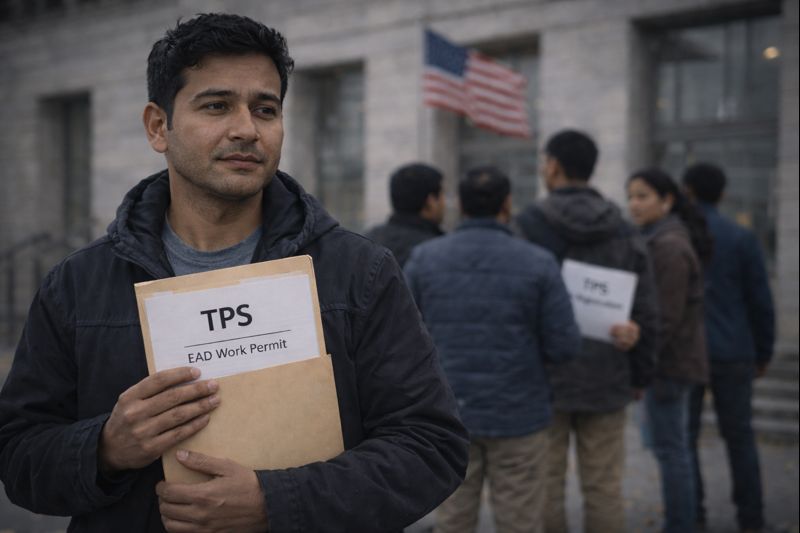
A US federal judge has blocked the Trump administration’s attempt to cancel Temporary Protected Status (TPS) for people from Nepal, Honduras, and Nicaragua, keeping the program in place for now.
For Nepalis living in the US under TPS, the ruling is immediate relief. Many have built their lives around a valid work permit, steady jobs, and the ability to stay with their families without fear of sudden removal.
What TPS is, and what it is not
TPS is a temporary humanitarian status. It allows eligible people from certain countries to stay in the United States and get a work permit when their home country is considered unsafe due to war, natural disaster, or other severe conditions.
TPS is not permanent residency. It does not automatically lead to a green card or citizenship. It also depends on renewals and re-registration, which is why families often live from deadline to deadline.
Why Nepalese people have TPS
Nepal was granted TPS after the 2015 earthquake and related hardship. Since then, the status has been extended multiple times, allowing eligible Nepalis already in the US to work legally and remain protected from deportation.
When the Trump administration moved to end TPS for Nepal and other countries, many Nepali households saw a clear risk: losing a job overnight due to an expired work permit, and facing possible removal from the US.
How Nepalis are living under TPS in the US
For many Nepali TPS holders, daily life looks normal on the outside, but fragile under the surface.
TPS has allowed people to:
- work legally with an Employment Authorization Document (work permit)
- support children and family members, including US citizen kids
- pay rent or mortgages, and keep stable jobs that require valid documentation
But the “temporary” label follows them everywhere. Many have had to renew repeatedly, while planning around shifting government decisions and court fights.
What the judge decided
US District Judge Trina Thompson ruled the effort to end TPS for Nepal, Honduras, and Nicaragua was not carried out lawfully.
In simple terms, the court said the government did not properly follow the rules required to terminate the protections. That finding is why the terminations were stopped.
Why this ruling is a win for Nepalis
This decision keeps TPS protections alive while the legal battle continues. That matters because TPS is tied to basic stability:
- If TPS stands, work permits can remain valid.
- If TPS ends, many people can lose legal work authorization and face immigration enforcement risks.
The ruling does not mean the issue is over. The government can appeal, and TPS can still be reshaped later through courts or future policy.
What TPS holders should do next
This is not legal advice, but practical steps many families take in situations like this:
- Watch official USCIS and DHS announcements, not only social media summaries.
- Keep every TPS document, receipt notice, and work permit copy in one place.
- Talk to a qualified immigration attorney about longer-term options beyond TPS.
- Avoid major immigration moves or travel without legal guidance while court cases are active.
Leave a Reply